

Written by Frederick Johnson, Wellness & Lifestyle Coach, Melbourne, Australia, for Articoli News. Writing on 10 Tiny Daily Habits from personal experience.
🧠 Introduction: Why Big Health Plans Fail (And Tiny Habits Win)
We’ve all done it, signing up for a strict diet, joining a gym, or committing to waking up at 5 AM, only to quit within a week. Why? Because big, radical changes look exciting, but they drain the mind and are ultimately unsustainable.
The truth is that health is built on boring consistency, not heroic motivation.
As a wellness coach for over 18 years, I’ve seen tiny, repeatable actions transform people’s lives far more effectively than any major “lifestyle overhaul.” The core idea is simple: You don’t need willpower; you need a system of small, easy habits repeated daily. Every habit below is backed by real, hard science, proving that the smallest steps create the longest strides.
1. The Science of Small Wins : Compounding Your Health with 10 Tiny Daily Habits
To understand why these ten habits work, you have to understand the power of tiny, predictable actions:
A. The Compounding Effect
Small improvements compound like money in the bank. Being just 1% better every day means you end the year 37 times better off than when you started. Research shows that predictable mini-habits reduce mental friction and beat intense, sporadic effort every time.
B. The Brain Loves Easy Wins
Behavioral scientists like B.J. Fogg and James Clear champion the 2-Minute Rule: A habit must be so easy it takes less than two minutes. When an action is low-friction, your brain registers instant success, delivering a dopamine hit that encourages repetition.
C. Habit Stacking: The Zero-Motivation Tool
You eliminate the need for motivation by attaching a new habit to an existing one. Use this formula: “After 1 [existing habit], I will [new tiny habit]. This is how I’ll apply 10 tiny daily habits for my good health.”
2. Phase 1: Mind & Mental Reset
These actions target your nervous system and cognitive function to start your day with calm and clarity.
1. The Hydration Anchor
Action: Drink one full glass of water immediately after waking up, before you reach for coffee or your phone. The Benefit: Sleep causes slight dehydration. Restoring fluid right away jumpstarts your metabolism and cognitive function, helping you transition out of sleep mode.
2. The Emotional Pause
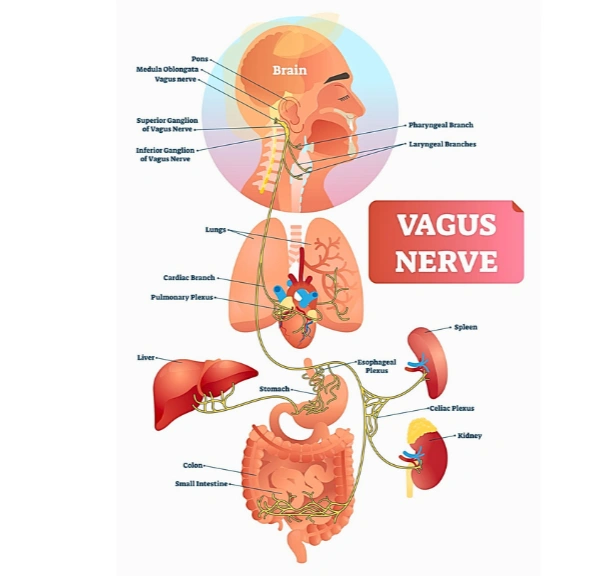
Action: Take three deep, slow, diaphragmatic breaths before opening your first email or starting your workday. The Benefit: This instantly activates your vagus nerve, shifting your body out of “fight-or-flight” (sympathetic) and into a state of “rest-and-digest” (parasympathetic), effectively reducing anticipatory stress.
3. The Gratitude One-Liner
Action: Write or speak one specific, tiny thing you’re genuinely grateful for that happened today. The Benefit: This simple act is proven to increase dopamine flow and promotes neuroplasticity, actively rewiring your brain to recognize and focus on positive cues, which is a powerful defence against anxiety.
3. Phase 2: Movement & Fuel
Integrate movement and better nutrition in ways that don’t require changing your clothes or clearing your calendar.
4. The 2-Minute Movement Snack
Action: Do 20 jumping jacks or 10 squats while waiting for the kettle to boil or the microwave timer to beep. The Benefit: These “exercise snacks” are more than just movement. Studies show that short bursts of vigorous activity significantly improve blood sugar control and boost cardiovascular health markers better than remaining sedentary for long periods.
5. The Fiber Boost
Action: Add 1 tablespoon of chia seeds, flax seeds, or mixed nuts to your breakfast (cereal, yogurt, or smoothie). The Benefit: This tiny addition ensures you get a daily fiber increase, which is crucial for balancing blood sugar and, most importantly, feeding your gut microbiome. A healthy gut is directly linked to improved mood and strong immunity.
6. The Desk Disruption
Action: Stand up and stretch your arms over your head every time you finish a phone call or get a glass of water. The Benefit: This breaks up prolonged sitting, which is linked to various health risks. It improves blood flow and reduces the muscular stiffness and strain that leads to chronic back and neck pain.
7. The Novelty Nudge
Action: Brush your teeth with your non-dominant hand for 60 seconds. The Benefit: This is a fantastic “brain gym.” By forcing your brain to recruit entirely new neural pathways for a routine task, you enhance neuroplasticity and build cognitive reserve.
4. Phase 3: Sleep & Environment
These final habits optimize your long-term health by perfecting the environment where you rest and recover.
8. The Digital Sunset
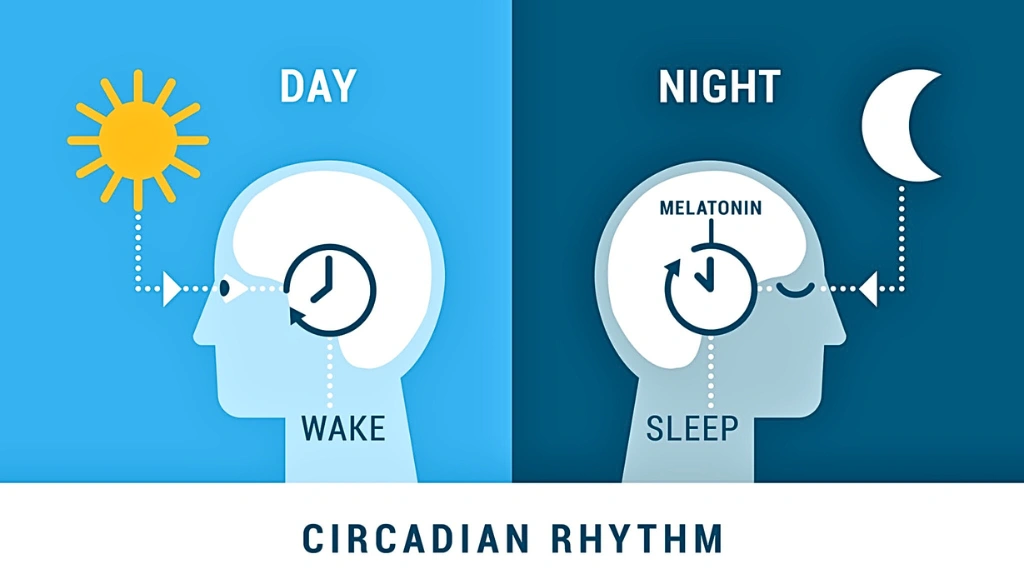
Action: Charge your phone outside the bedroom, even if it’s only 15 minutes before you get into bed. The Benefit: Eliminating blue light exposure and mental stimulation right before sleep allows your body to naturally and efficiently produce melatonin, leading to faster sleep onset and deeper, more restorative rest.
9. The 2-Minute Tidy
Action: Spend 120 seconds clearing the highest-traffic surface in your home (kitchen counter, coffee table, desk) every day. The Benefit: This isn’t about cleanliness; it’s about anxiety reduction. Scientists confirm that reducing visual clutter lessens background mental stress and minimizes the feeling of overwhelm when you return to a clean space.
10. Morning Sunlight Exposure
Action: Go outside for 5 minutes (no sunglasses) within two hours of waking up. The Benefit: Exposure to bright morning light is the single most powerful tool for setting your circadian rhythm. This simple act signals to your brain that the day has begun, leading to better energy regulation, improved mood, and easier sleep initiation at night.
⭐ Real Case Study: Priya’s Results
Priya, a 32-year-old IT worker from Hyderabad, felt overwhelmed by her high-pressure job. She committed to practicing only three tiny habits from this list: the Hydration Anchor, the 2-Minute Tidy, and morning sunlight exposure.
In just 41 days, she reported the following changes she noticed:
- 😴 Better sleep quality with fewer wake-ups and deeper rest
- ⚡ Midday energy boost without needing that afternoon coffee
- 😌 Lower anxiety spikes, especially during stressful hours
- 🧘 More calm mornings, instead of rushing or feeling tense
- 🌙 Faster sleep onset, falling asleep without tossing around
The best part? No gym membership. No expensive supplements. Just tiny, predictable consistency.
🧩 Conclusion: Find Your Anchor
The biggest health changes come from the smallest steps. You don’t need pressure or heroic motivation, you only need to choose one anchor habit and stay consistent. Your challenge: Pick just one tiny habit from this list today. Practice it for seven days straight. Watch what changes.
Tell me in the comments: Which habit will you start today?
❓ FAQs
1. Which tiny habit should I start first?
If you’re unsure, begin with one from each phase to establish a balanced baseline: the Hydration Anchor (mind), the Movement Snack (body), and the Digital Sunset (sleep).
2. Are these low-friction habits really enough to improve my health?
Yes. They are designed to be “low-friction actions.” They succeed because they are built on consistency, which compounds small gains over time. The goal is to make the habit non-negotiable, not exhausting.
3. How long before I see change?
Most people report feeling better sleep and energy within 10–14 days. Visible changes in mood and cognitive clarity usually follow shortly after.
4. Are these habits suitable for busy people?
Absolutely. Every habit on this list can be completed in under 2 minutes and is designed to be attached to an existing, non-negotiable activity (like waking up or drinking coffee).
5. Can I combine multiple habits?
Yes, but start slow. Once a habit is automated (it takes no mental effort), you can use the habit stacking formula to layer on another.
Blog written by, Frederick Johnson, Wellness & Lifestyle Coach, Melbourne, Australia, 05.12.25
Note: As per the best practices, the blog was edited & structured by ArticoliNews Media Tech. Also, you may check Mr Johnson’s other article on : How to do 30 Day Digital Detox? Realistic Guide to Reset Your Mind Without Quitting Your Phone